Hygiene, first aid, mobility and nutrition. Small classes of max 8, taught by practising clinical trainers.
Practical caregiver training built for real situations at home and at work.
Practise hygiene assistance, bandaging, fall response and safe transfers.
Small groups mean more practice time and more attention.
Practising clinical professionals, not classroom-only teachers.
Built for family caregivers and complete beginners.
Everything you need to care for a loved one or start a caregiving career, over three practical days: communication, safety, first aid, mobility and nutrition.
Awarded on successful completion of the 3-day programme.
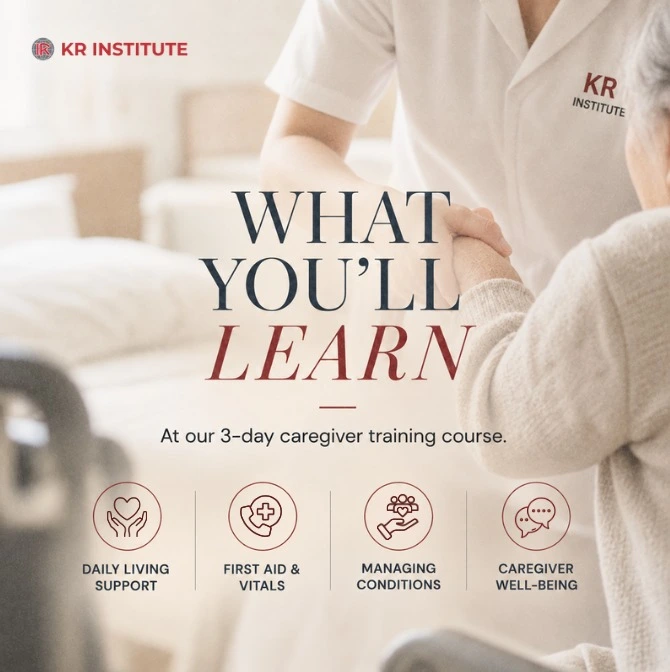
A structured, hands-on training experience — from theory to real supervised practice.
Effective communication, role play, and understanding the care recipient's physical needs.
Personal hygiene & grooming, home safety, and managing emergencies at home.
Dementia & depression, pressure sores, mobility issues and basic first aid.
Bandaging, fall response, and monitoring vital signs with practice.
Transfers, mobility support and assisting with mobility devices & wheelchair transfer.
Nutrition and feeding support, plus caregiver well-being.
| 9:00 – 9:30 | Registration + Orientation by Trainer |
| 9:30 – 10:45 | Effective Communication + Role Play |
| 10:45 – 11:00 | Break |
| 11:00 – 12:30 | Understanding Physical Needs (of the care recipient) |
| 12:30 – 1:30 | Lunch Break |
| 1:30 – 2:30 | Personal Hygiene & Grooming Assistance |
| 2:30 – 3:15 | Home Safety & Safety Prevention |
| 3:15 – 3:30 | Break |
| 3:30 – 4:30 | Managing Emergencies at Home |
| 4:30 – 5:00 | Q&A / Wrap-up |
| 9:00 – 9:15 | Recap of Day 1 |
| 9:15 – 10:15 | Understanding Dementia & Depression |
| 10:15 – 10:30 | Break |
| 10:30 – 11:30 | Managing Pressure Sores & Mobility Issues |
| 11:30 – 12:00 | Basic First Aid |
| 12:00 – 1:00 | Lunch Break |
| 1:00 – 2:30 | Practical Training: Bandaging + Fall Response |
| 2:30 – 2:45 | Break |
| 2:45 – 3:45 | Vital Signs + Trainer Demonstration on Monitoring |
| 3:45 – 4:45 | Practice + Return Demonstration by Participants |
| 4:45 – 5:00 | Feedback & Debrief |
| 9:00 – 9:15 | Recap of Day 2 |
| 9:15 – 10:15 | Transfers & Mobility Support |
| 10:15 – 10:30 | Break |
| 10:30 – 12:30 | Assisting with Mobility Devices + Wheelchair Transfer (demo + practice) |
| 12:30 – 1:30 | Lunch Break |
| 1:30 – 2:30 | Nutrition & Feeding Support (theory) |
| 2:30 – 3:30 | Nutrition & Feeding Support (practical) |
| 3:30 – 4:00 | Caregiver Well-Being |
| 4:00 – 4:30 | Feedback & Debrief |
Skills you can use at home or across professional care settings.
Answer a few quick questions to see if this career path is a good fit.
Based on your answers, phlebotomy looks like a promising path for you. Take the next step and speak with our team.
Our trainers are practising clinical professionals with years of real-world experience.
Senior phlebotomist with 13 years of experience. Former team lead at an NTU research centre.
Master of Public Health, specialising in infectious disease control.
No hidden fees. Everything you need is included.
★★★★★ 4.8 from 225 Google reviews · 4,000+ learners trained
Self-funded (not SkillsFuture claimable)
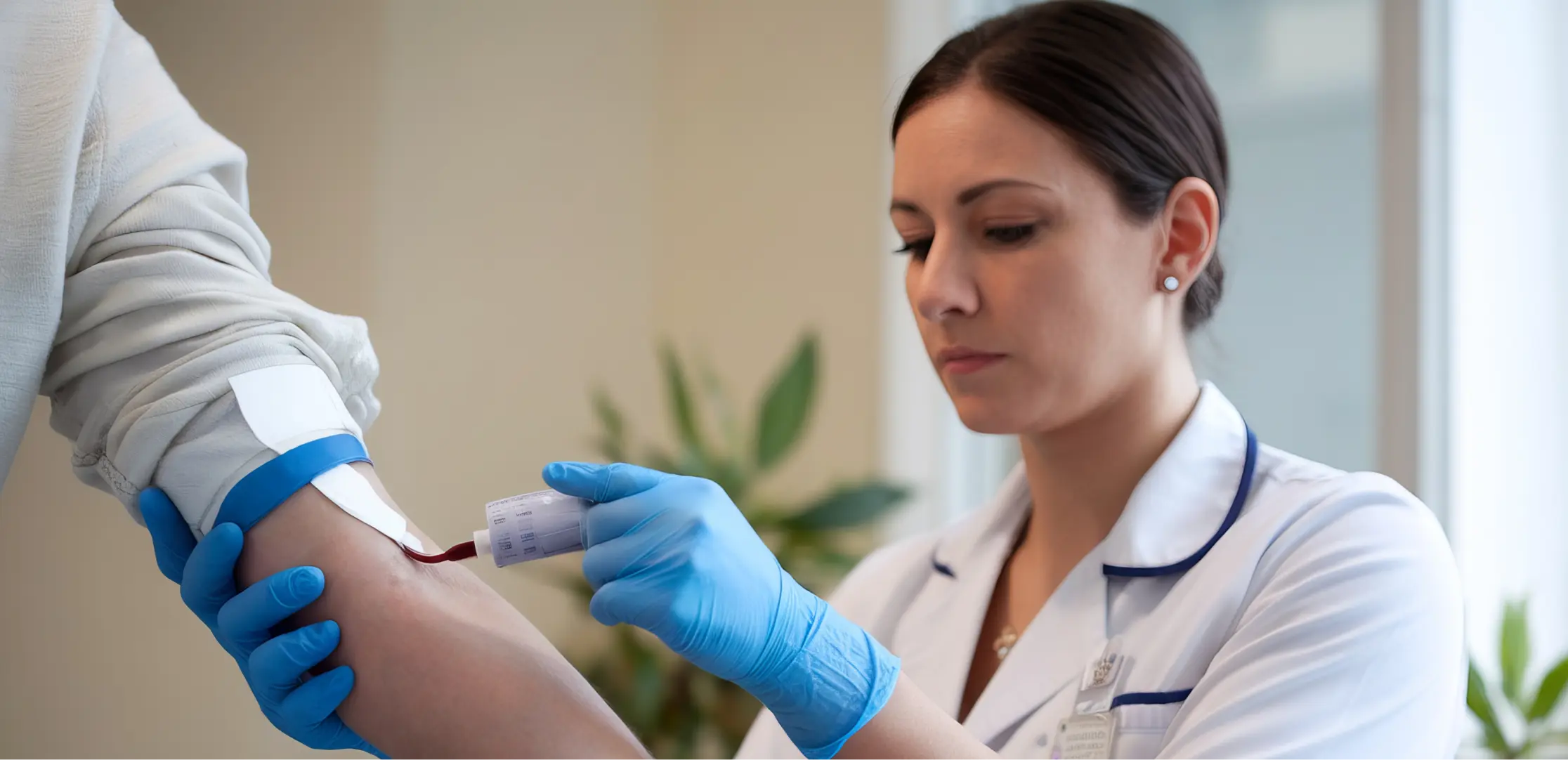
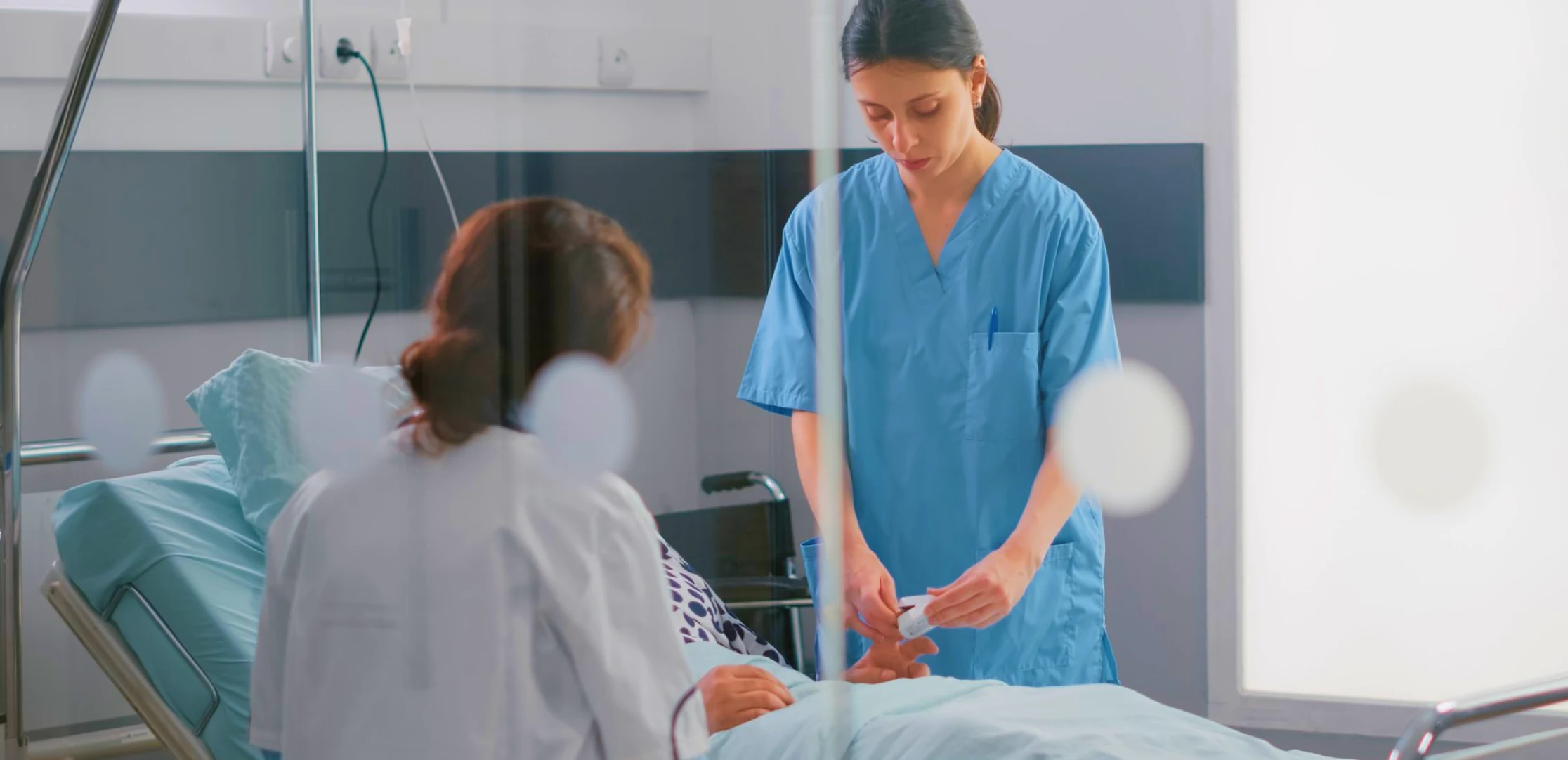
Add IV cannulation — a highly sought-after clinical skill.
Learn more →
Every class takes max 8 learners. Leave your details in the form above and our team will call you back.